Corporate Fraud in India 2026: Accountability, Whistleblowing, and Enforcement Power
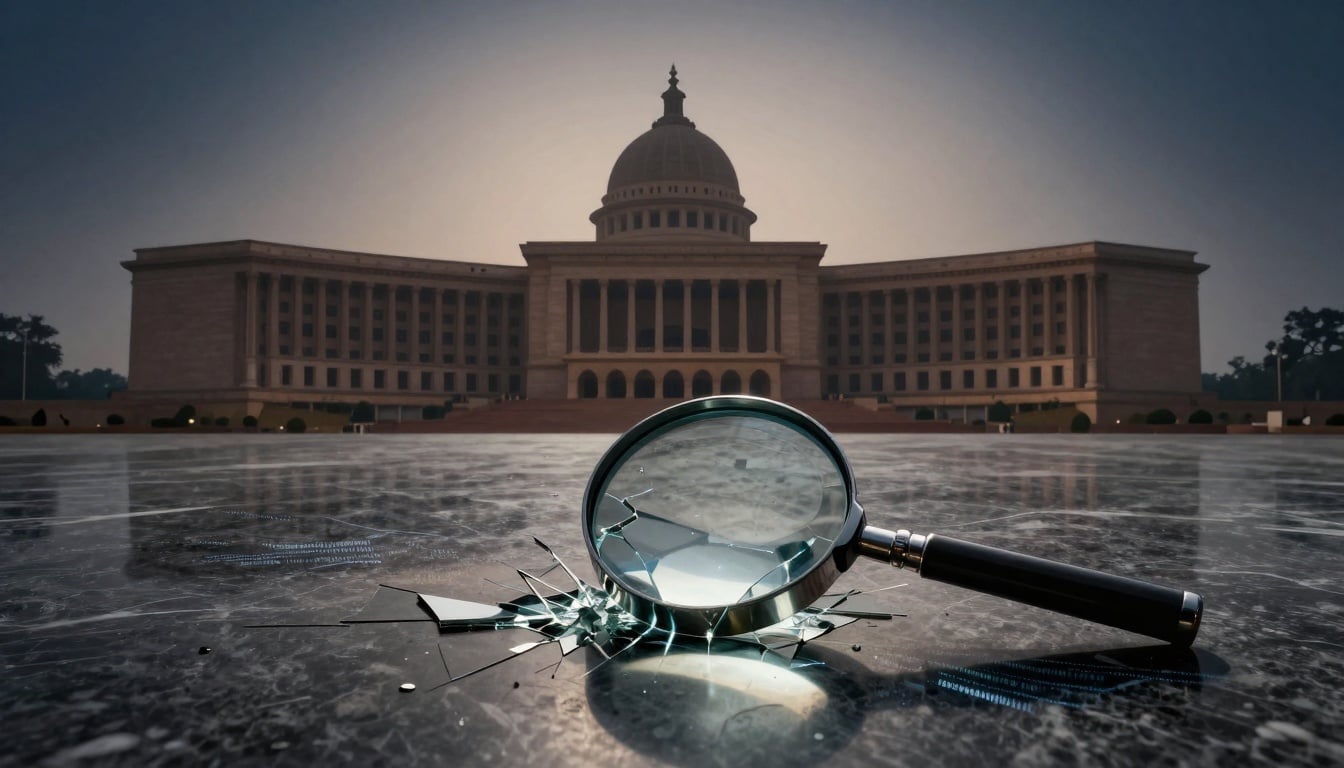
Corporate fraud is no longer just a legal issue — it is a national concern that affects every citizen, investor, organization, and policymaker. When fraud happens, it destroys livelihoods, wipes out retirement savings, collapses companies, and weakens the economy. India has lived through painful reminders, from the PNB scam to stock market manipulations that shook public trust.
As India approaches 2026, corporate fraud is not disappearing. It is evolving — becoming smarter, faster, and more technologically enabled. The question is not whether fraud will happen, but whether India is prepared to prevent it, detect it early, and respond firmly.
This expanded analysis explores where India stands, what the future may hold, and what must happen to protect markets, businesses, and people.
Section 1: The Current State of Corporate Fraud in India — Trends and Projections for 2026
Emerging Vectors of Financial Crime: Fraud Is Getting Smarter
Corporate fraud in India is no longer confined to fake invoices and accounting manipulation. Fraudsters now operate at scale, using advanced digital setups that mirror legitimate businesses.
By 2026, India will see:
-
AI-generated forged documents are indistinguishable from real records
-
Synthetic identities built from stolen data to open accounts and move funds
-
Shell networks are layered across multiple countries
-
ESG/greenwashing scams misusing investor trust
-
Rising cyber-enabled corporate fraud through phishing, spoofing, and deepfakes
Fintech platforms, instant lending apps, and digital payment ecosystems create both opportunity and vulnerability. Criminals exploit speed — because financial systems settle transactions faster than regulators can react.
Investor Confidence — The Real Casualty
Fraud is not just a financial wrongdoing — it destroys trust.
-
Institutional investors become cautious
-
Retail investors lose life savings
-
Markets react with panic
-
Economic stability suffers
Fraud creates fear. Fear slows investment. Slow investment slows growth.
When fraud surfaces, the damage is not limited to one company. It sends shockwaves across industries. Good companies suffer reputational spillover. Employees lose jobs. Lenders restrict funding. India cannot afford an economy built on suspicion.
Regulatory Gaps: Where India Must Do Better
India’s regulatory architecture is strong on paper, slow in execution.
Challenges include:
-
Lengthy investigations
-
Overlapping agency jurisdictions
-
Slow trial processes
-
Limited cyber governance
-
Inadequate ESG oversight
By the time enforcement arrives, fraudsters have already transferred assets abroad or dissolved structures.
To truly protect India, regulators must move:
-
From the investigation after the fraud
-
To prevention before fraud
Section 2: Corporate Accountability — Why the Boardroom Must Feel the Heat
Leadership Cannot Be Symbolic Anymore
For decades, many boards treated governance as compliance paperwork. That era must end. Directors will increasingly be held responsible not just for what they did, but for what they failed to detect.
The future requires:
-
Genuine oversight instead of passive signatures
Accountability has to become personal. When leaders feel risk, they act responsibly.
Internal Audit — From Formality to First Line of Defense
Internal audits must evolve into powerful fraud-prevention engines.
A resilient corporation will have:
-
Continuous monitoring
-
Auditor rotation to reduce familiarity bias
-
Dedicated fraud risk committees
-
Advanced technology-based surveillance
Forensic Auditing — No Longer Just a Post-Crisis Tool
By 2026, leading firms will:
-
Conduct rolling forensic audits
-
Maintain forensic readiness teams
-
Implement proactive integrity monitoring
Detecting fraud early saves lives, businesses, and reputations.
Section 3: Whistleblowers — India’s Silent Heroes Need Real Protection
The Reality of Whistleblowing in India
Whistleblowers face emotional trauma, corporate retaliation, career isolation, and personal risk. Many remain silent not because they lack courage, but because they lack protection.
Real reform must mean:
-
Faster, safer reporting structures
-
Legal and financial support systems
If India protects truth-tellers, India protects its future.
Learning from Global Models — And Building India’s Own
Countries like the US, UK, and Australia have proven that incentivizing whistleblowers works. India can adapt these systems intelligently.
Potential approaches include:
-
Rewarding information that prevents massive losses
-
Fast lane investigation processes
-
State-backed anonymity protections
Empowered whistleblowers reduce fraud dramatically.
Confidentiality Is Not Optional — It Is Foundational
A whistleblower will only speak when they feel invisible, safe, and heard.
Corporate India must:
-
Ensure strict confidentiality
-
Document every case fairly
-
Hold retaliators accountable
Courage should never come at the cost of safety.
Section 4: Enforcement — India’s Biggest Weapon Needs Speed and Precision
Agencies Must Work Together — Not Compete
The future depends on:
-
Unified fraud intelligence networks
-
Shared databases
-
Joint investigation teams
-
Standardized fraud protocols
Prosecution Speed — Justice Needs Time, Discipline
A fraud case that takes 10 years to resolve is not justice — it is defeat.
India must prioritize:
-
Fast-track corporate fraud courts
-
Immediate asset freezing
-
International cooperation for cross-border recovery
When crime moves fast, justice must move faster.
Digital Forensics — Where the Fight Will Be Won
Fraud has shifted to digital ecosystems — investigations must too.
India needs:
-
Digital evidence handling expertise
Conclusion: India’s New Era of Corporate Integrity Begins Now
Corporate fraud in India is not just a legal battle — it is a fight to protect trust, opportunity, livelihoods, and national credibility. As India steps into 2026, success depends on collective strength:
-
Boards must lead with integrity
-
Auditors must act with courage
-
Whistleblowers must feel protected
-
Regulators must enforce decisively
-
Citizens must demand transparency
If India remains determined, vigilant, and ethical, it can build a corporate culture where trust is strong, investors feel confident, honest businesses thrive, and fraud does not define headlines — accountability does.
The time to prepare is not tomorrow.
The time is now.


Comments
Post a Comment